EPLAN Software Training: Skills, Career Scope & Learning Guide
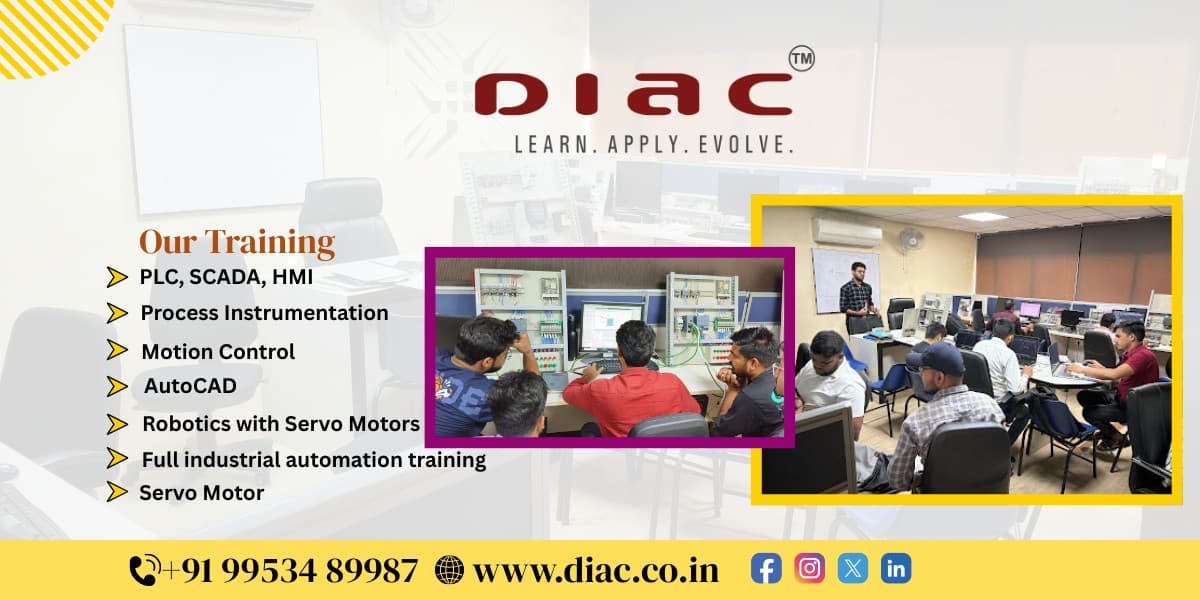
Electrical design has become smarter, faster, and highly automated — and at the center of this transformation is EPLAN software, one of the world’s most widely used tools for electrical CAD and automation design.
Whether you are a student preparing for your technical career or a working professional looking to upgrade your skills, learning EPLAN can significantly improve your job prospects in the automation and electrical engineering industry.
What Is EPLAN Software?
EPLAN is an advanced CAE (Computer-Aided Engineering) platform used for creating electrical schematics, panel layouts, wiring diagrams, PLC documentation, and industrial automation projects.
It is widely used in industries such as:
-
1. Manufacturing
-
2. Process automation
-
3. Robotics
-
4. Power & energy
-
5. Building automation
Its ability to reduce design errors and automate repetitive tasks makes it a preferred tool for engineering departments and global OEMs.
Why Should Students Learn EPLAN?
1. High Industry Demand
Companies prefer candidates who already understand CAE tools. EPLAN-trained candidates often stand out during technical interviews.
2. Strong Career Foundation
Students aiming for careers in:
-
Electrical Design
-
Panel Engineering
-
PLC & Automation Engineering
-
Renewable Energy Projects
…can use EPLAN skills as a foundation for advanced job roles.
3. Practical Knowledge Boost
Learning EPLAN helps students understand:
-
Real-world electrical drawings
-
Industry-standard documentation
-
Professional project workflows
Also Read: Is EPLAN Better Than AutoCAD
Benefits of EPLAN Training for Working Professionals
1. Faster Project Execution
Professionals can complete complex designs in less time with automated report generation and error detection.
2. Career Growth & Promotions
Roles such as senior design engineer, project engineer, and automation specialist often require EPLAN proficiency.
3. Opportunities in Global Companies
EPLAN is used internationally, which increases the chances of working on overseas projects or applying for global engineering jobs.
Key Skills You Learn in EPLAN Software Training
Training usually covers the following important areas:
-
1. Electrical schematic design
-
2. Panel layout designing
-
3. Terminal & wiring diagrams
-
4. PLC interfacing documentation
-
5. Macros & project templates
-
6. Bill of Material (BOM) & report generation
-
7. Error checking & design optimization
These skills help learners become job-ready for electrical design roles.
Career Opportunities After Learning EPLAN
Professionals trained in EPLAN can apply for job roles such as:
-
1. Electrical Design Engineer
-
2. EPLAN Designer / EPLAN Engineer
-
3. Panel Design Engineer
-
4. Automation Engineer
-
5. Maintenance & Project Engineer
-
6. Control & Instrumentation Engineer
Industries like automotive, manufacturing, oil & gas, and machine-building actively hire EPLAN-skilled talent.
Who Should Learn EPLAN Software?
Students:
-
1. Diploma / B.Tech in Electrical, Electronics, Instrumentation
-
2. Engineering students preparing for technical interviews
Professionals:
-
1. Electrical design engineers
-
2. Automation engineers
-
3. Panel builders
-
4. Maintenance & project engineers
How to Start Learning EPLAN?
To begin with EPLAN, learners should focus on:
-
1. Understanding basic electrical symbols and circuits
-
2. Learning schematic development step-by-step
-
3. Practicing panel design projects
-
4. Studying sample industrial documentation
-
5. Working on real-time assignments for confidence
6. Quality training and consistent practice help learners build strong expertise.
Conclusion
EPLAN software has become an essential skill for anyone entering or growing in the electrical and automation field. It improves technical knowledge, increases job opportunities, and helps professionals work efficiently on real-world engineering projects.
For students and working engineers, EPLAN training is a smart investment in long-term career growth.
Our Training & Course:
1. Full Industrial Automation Training
2. PLC SCADA & HMI Training
3. Servo Motor and Drive
4. PLC Programming
5. Summer and Winter Training
6. Process Instrumentation
7. Electrical Design Software
8. Robotics Training
9. DCS Training