Summer Training for Electrical Engineering Students: Build Industry-Ready Skills
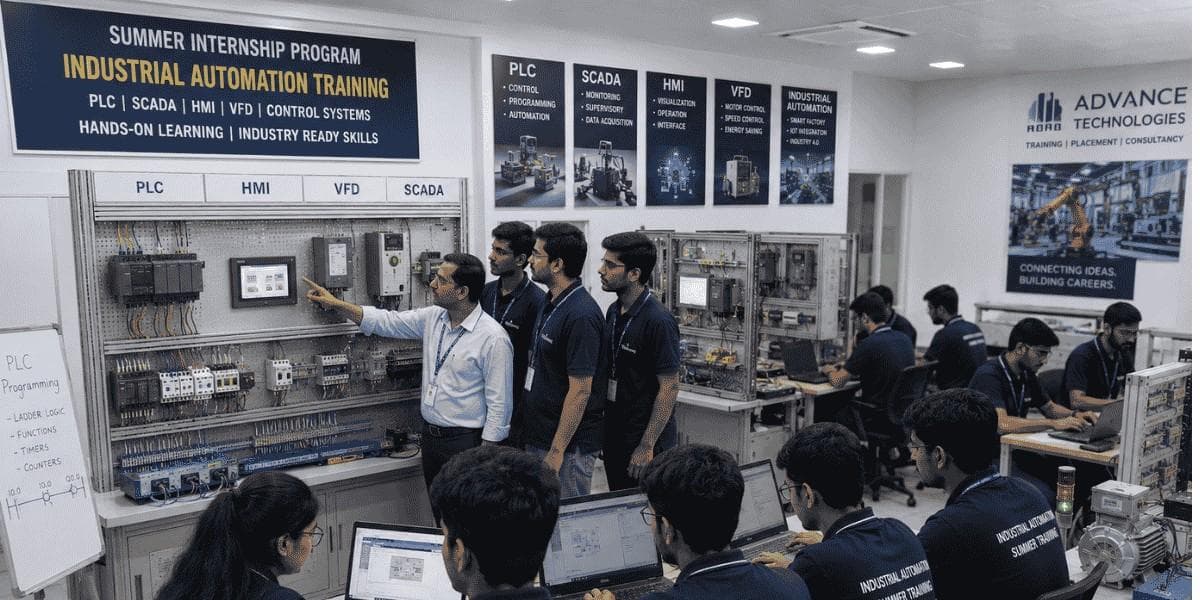
Electrical engineering is one of the most demanding and dynamic branches of engineering. While theoretical knowledge from colleges helps students understand concepts, practical exposure is what truly prepares them for real-world jobs. This is why summer training for electrical engineering students has become essential for students who want to strengthen their technical skills and improve their career opportunities.
During summer vacations, students get an excellent opportunity to learn industry-based technologies, work on live projects, and understand practical applications of electrical systems. Whether you are pursuing a diploma, B.Tech, or M.Tech in electrical engineering, summer industrial training can help bridge the gap between classroom learning and industry requirements.
Why Summer Training is Important for Electrical Engineering Students
Many engineering graduates struggle during job interviews because they lack practical knowledge. Summer training solves this issue by offering hands-on experience.
Benefits of Summer Training:
- 1. Improves practical knowledge of electrical systems
- 2. Helps students understand industrial equipment
- 3. Builds confidence for technical interviews
- 4. Enhances resume value
- 5. Provides certification for future job opportunities
- 6. Offers exposure to real-time industrial projects
Companies today prefer candidates who understand practical electrical applications rather than only theoretical concepts.
Best Summer Training Courses for Electrical Engineering Students
There are multiple training programs available depending on your career goals.
If you want a focused summer training program (without adding robotics, IoT, coding, etc.), then the best option is a PLC + HMI + SCADA + Industrial Automation Overview course because it directly matches electrical industry requirements in manufacturing, automation plants, power systems, and control industries
1) PLC Training (Core Module)
Programmable Logic Controller (PLC)
This is the most important module for electrical students.
Topics Covered:
- - PLC Basics & Architecture
- - Digital Inputs/Outputs
- - Sensors & Actuators wiring
- - Ladder Logic Programming
- - Timers, Counters, Relays
- - Analog Inputs/Outputs
- - Troubleshooting
- - Upload/Download Programs
- - Live PLC Panels Practice
2) HMI Training
Human Machine Interface (HMI)
Learn how operators control machines through touch panels.
Topics Covered:
- - HMI screen design
- - Buttons & indicators
- - Alarm setup
- - Data monitoring
- - PLC-HMI communication
- - Real-time machine control
3) SCADA Training
SCADA Used for monitoring complete industrial processes.
Topics Covered:
- - SCADA fundamentals
- - Graphics designing
- - Alarm systems
- - Trends & reports
- - Real-time monitoring
- - PLC-SCADA communication
4) Industrial Automation Overview
Industrial Automation This gives students basic exposure to complete automation systems.
Overview Includes:
- - Sensors basics
- - Control panels
- - Motors & drives basics
- - Industrial process flow
- - Automation architecture
- - Basic troubleshooting concepts
Eligibility for Summer Training
This summer training program is designed only for pursuing students who want practical exposure in industrial automation.
Eligible Students:
- 1. B.Tech/BE Electrical Engineering students
- 2. B.Tech/BE Electronics & Electrical students
- 3. Diploma Electrical students
- 4. Polytechnic students
- 5. Final year pursuing students
- 6. 2nd year & 3rd year pursuing students
Students should have a basic understanding of electrical concepts, but prior PLC/SCADA knowledge is not required.
The training focuses only on PLC, HMI, SCADA, and Industrial Automation Overview with hands-on practical learning.
Skills You Gain During Electrical Summer Training
After completing training, students develop skills like:
- 1. Electrical troubleshooting
- 2. Industrial wiring knowledge
- 3. Automation programming
- 4. Project handling
- 5. Technical documentation
- 6. Problem-solving skills
These skills make candidates more employable in industries.
Career Opportunities After Summer Training
After completing industrial training, students can apply for roles such as:
- 1. Electrical Engineer
- 2. Maintenance Engineer
- 3. Automation Engineer
- 4. PLC Programmer
- 5. Control Engineer
- 6. Solar Engineer
- 7. Project Engineer
Top industries hiring electrical engineers include manufacturing, renewable energy, power plants, automation companies, and construction firms.
Why Choose DIAC for Summer Training?
DIAC offers professional summer training programs for electrical engineering students with practical exposure in:
- - PLC SCADA
- - Industrial Automation
- - Electrical Design
- - Panel Designing
- - Robotics Training
With experienced trainers, live projects, and certification programs, students gain industry-ready skills that help them secure better career opportunities.
Join DIAC Today
Take the first step towards a rewarding career in the exciting field of industrial automation and robotics.
Our Training & Course:
1. Full Industrial Automation Training
2. PLC SCADA & HMI Training
3. Servo Motor and Drive
4. PLC Programming
5. Summer and Winter Training
6. Process Instrumentation
7. Panel Design with Professional Software
8. Robotics Training
9. DCS Training